Custom engraving on selected fabric and natural materials, including canvas, felt, cork, shell, bone, paperboard, natural fibres and customer-supplied items, with leather engraving covered on our dedicated leather page.
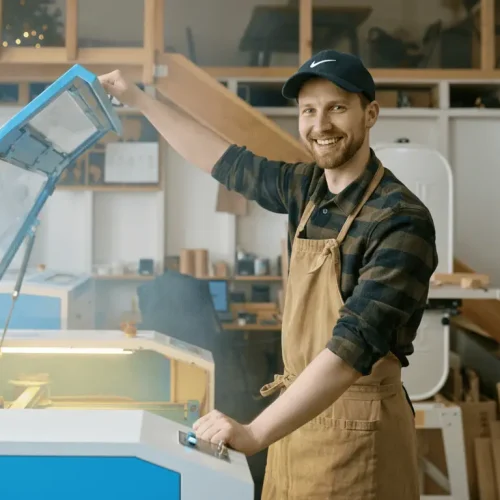
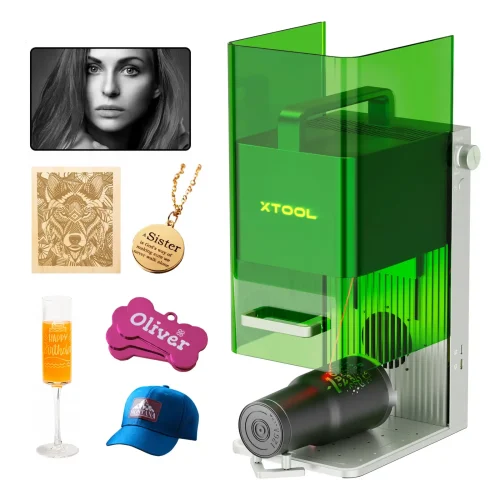
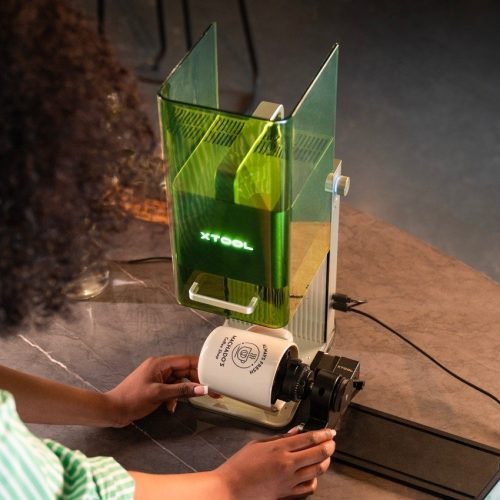
We engrave selected leather, fabric and natural materials for gifts, keepsakes, labels, patches, presentation pieces, signage, display items, craft projects and customer-supplied products.
This page is the material hub for softer and more organic surfaces that sit outside the main metal, timber, glass and stone categories. Some materials, especially leather, are common engraving surfaces. Others, such as shell, bone, horn, fabric and natural fibre products, need to be assessed case by case.
Because these materials vary widely, suitability depends on the exact material, coating, thickness, shape and intended finish. If you already have the item, send us a photo and any product details before bringing it in or posting it to us.
Leather is one of the most popular materials in this group and has its own dedicated material page. It is used for wallets, bags, patches, notebook covers, keyrings, belts, corporate gifts, keepsakes and customer-supplied leather items.
Different leather types engrave differently. Natural leather, full grain leather, vegetable tanned leather and suede can each produce a different mark, while imitation leather, bonded leather and vegan leather need extra care because the surface layer may behave differently to genuine leather.
| Leather Type | Materials Included | Engraving Notes |
|---|---|---|
| Leather | Leather, genuine leather, Leather (genuine), Leather (full grain), Leather (top grain), top grain leather and cowhide leather | Commonly used for bags, wallets, patches, notebooks, tags and personalised leather products. View our dedicated leather engraving page for more detail. |
| Vegetable Tanned Leather | Leather (vegetable tanned) | Often engraves with a strong natural contrast and is commonly used for premium leather goods and craft products. |
| Chrome Tanned Leather | Chrome tanned leather and Leather (chrome tanned) | Can be suitable, but results depend on the finish, dye and surface treatment. Assessment is recommended before engraving. |
| Soft and Textured Leather | Leather (nubuck), Leather (suede), suede, goatskin leather, buffalo leather and hide | Texture, nap and softness affect the finished mark. These materials may produce a more subtle result than smooth leather. |
| Specialty Leather | Kangaroo leather, crocodile leather, ostrich leather and snakeskin leather | Specialty leathers are assessed carefully. We do not assume suitability without seeing the item, finish and intended engraving area. |
| Leather Alternatives | Imitation leather, vegan leather, Leather (bonded) and bonded leather | Can sometimes be engraved, but surface coatings and synthetic layers vary. Unknown materials may need to be declined if they are not safe to process. |
For leather-specific information, visit our leather engraving material page.
Selected fabrics and textiles can be engraved or marked, depending on the fibre, weave, coating and thickness. Natural textiles usually behave differently to synthetic materials, and some fabrics are not suitable for laser processing.
Fabric engraving can suit patches, labels, craft pieces, display items and selected customer-supplied products. Because textiles can scorch, melt, fray or change colour unpredictably, we assess the material before confirming the job.
| Fabric Group | Materials Included | Engraving Notes |
|---|---|---|
| Natural Fabrics | Canvas, cotton, denim, hessian, jute, linen, wool and textile | Natural fibres can often be marked, but the result depends on weave, thickness, colour and finish. |
| Felt Materials | Felt, Felt (wool), wool felt and Felt (acrylic) | Wool felt and acrylic felt behave differently. Acrylic felt may melt or seal at the edge, so suitability must be assessed. |
| Synthetic Fabrics | Nylon fabric and selected synthetic textiles | Synthetic fabrics need extra caution. Some materials can melt, distort or release unsafe fumes, so we confirm suitability before engraving. |
| General Fabric Terms | Fabric and textile | If the exact fibre is unknown, send the product details or care label before requesting engraving. |
If your item has a care label, product tag or supplier sheet, send a photo with your enquiry so we can assess the material more accurately.
Paper and board materials can be useful for presentation pieces, packaging, invitations, craft projects, labels, displays and prototypes. These materials often engrave or mark well, but thickness, coating and colour all affect the result.
| Material Type | Materials Included | Engraving Notes |
|---|---|---|
| Paper and Board | Paper, paperboard, cardboard, kraft board and washi paper | Suitable for selected craft, packaging, invitation, prototype and display work. Thin materials may mark, cut or scorch more easily. |
| Backed Veneers | Veneer (paper backed) | Paper-backed veneer needs assessment because the veneer layer and backing material both affect the result. |
| Natural Coatings | Shellac | Shellac is a finish or coating rather than a base material. Engraving may remove or mark the coating and reveal the surface beneath. |
Some natural materials can be engraved, but they are more variable than standard leather, timber or metal. Curved shapes, natural growth patterns, brittleness, surface polish and item thickness all affect the finished mark.
These materials are normally assessed case by case. We do not assume suitability for valuable, rare, fragile or sentimental items without reviewing the item first.
| Natural Material Group | Materials Included | Engraving Notes |
|---|---|---|
| Shell Materials | Abalone shell, Mother of Pearl, shell and coconut shell | Shell materials can be fragile and curved. The finish depends on polish, thickness, colour and surface shape. |
| Bone and Horn | Bone, antler and horn | These materials can vary significantly and may produce odour during engraving. Suitability is assessed before quoting. |
| Cork and Plant-Based Materials | Cork, Tagua nut and vegetable ivory (Tagua nut) | Cork can engrave well for selected products. Tagua nut, also known as vegetable ivory, is assessed based on shape, density and intended mark. |
For animal-derived specialty materials, items must be legally sourced and suitable for engraving. We do not guarantee acceptance until the item has been assessed.
Leather, fabric and natural materials are more variable than many hard materials. The same artwork can look different on vegetable tanned leather, suede, canvas, felt, cork or shell because each surface reacts differently to heat and marking.
| Factor | Why It Matters |
|---|---|
| Material Type | Leather, fabric, cork, shell, bone and paper products all respond differently to engraving. |
| Surface Finish | Dyes, coatings, polish, wax, oil, lacquer, shellac and protective finishes can change the result. |
| Thickness | Thin materials may scorch, curl, burn through or mark more heavily than expected. |
| Colour | Darker materials may show subtle engraving, while lighter materials may produce higher contrast. |
| Texture | Grain, weave, nap, shell pattern and natural surface texture affect clarity and fine detail. |
| Unknown Composition | Some synthetic or coated materials are not safe to laser engrave and may need to be declined. |
Not every leather, fabric or natural material is suitable for laser engraving. Some materials melt, burn unpredictably, produce unsafe fumes, damage easily or give a poor finish.
Unknown synthetic materials, coated fabrics, heavily treated leather, PVC-based faux leather, certain plastics, painted surfaces and fragile natural materials should be checked before engraving. If you are not sure what the item is made from, send the product details before bringing it in.
When in doubt, send photos, product details and any material label before requesting a quote.
These materials are often chosen when the texture, feel and natural character of the item matter as much as the engraving itself.
Leather engraving is popular for wallets, bags, patches, notebook covers, keyrings, belts, cases and personalised gifts. For detailed leather guidance, see our leather engraving page.
Leather, cork, canvas, felt and selected fabrics can be used for custom patches, labels, product tags, craft labels and small branded details.
Natural materials are often used for gifts, sentimental items and keepsakes because the engraving feels personal and part of the item rather than added later.
Paper, paperboard, kraft board, cardboard, washi paper and veneer-backed materials can be used for packaging, invitations, inserts, displays and presentation pieces.
Canvas, denim, felt, hessian, jute, linen and wool can suit selected textile and craft projects where the material is suitable for laser marking.
Shell, bone, horn, cork and Tagua nut can suit selected one-off projects, display items and natural material pieces after assessment.
Leather, fabric and natural materials are usually marked by carefully applying heat to the surface. The result may be a darkened mark, a lighter frosted mark, a surface burn, a subtle texture change or a contrast mark depending on the material.
Unlike metal or acrylic, these materials can react in more organic and unpredictable ways. Grain, weave, fibres, oils, dyes, coatings and natural variation all influence the final appearance.
For suitable projects, layout approval is provided before engraving begins so the placement, scale and wording can be checked first.
Leather can often be marked with a clean, permanent finish, but the final contrast depends on the leather type, dye, finish and surface texture.
Fabric results vary by fibre and weave. Some fabrics mark cleanly, while others may scorch, fray, melt or distort.
Shell, bone, horn, cork and similar materials are assessed individually because shape, density and fragility affect the result.
Experience across leather goods, fabric items, cork, paperboard and selected natural materials
Dedicated leather engraving page for customers needing leather-specific guidance
Customer-supplied items welcome, subject to suitability
Artwork and layout prepared for approval before engraving begins
Australia-wide service from our Gold Coast workshop
Honest advice when a material is unsafe, unsuitable or too unpredictable to engrave
Pricing depends on the material, item size, engraving area, artwork complexity, quantity and whether the item is supplied by you or sourced by us. Leather goods, fabric patches, paperboard, cork and natural materials can all require different setup and handling.
Items with coatings, unusual textures, curves, fragile surfaces or unknown materials may take longer to assess. For bulk work such as patches, product labels, packaging pieces or repeat gifts, per-unit pricing generally improves with volume.
Send photos, dimensions, material details, quantity and the text or artwork required, and we will provide a quote before production begins.
No. Many can be engraved, but suitability depends on the exact material, coating, thickness and surface finish. Unknown synthetic materials, PVC-based faux leather and some treated fabrics may not be safe to laser engrave.
Yes. Leather is one of the main materials in this category. We engrave selected leather goods, patches, wallets, bags, notebook covers, keyrings and customer-supplied leather items. See our leather engraving page for more detail.
Sometimes. Vegan leather, imitation leather and bonded leather vary widely. Some are suitable, while others may contain materials that are not safe to laser engrave. Product details are required before confirming suitability.
Selected fabrics can be marked or engraved, depending on the fibre, weave, coating and thickness. Canvas, denim, felt, hessian, jute, linen, cotton and wool may all behave differently.
Selected felt materials can be engraved or marked. Wool felt and acrylic felt behave differently, so the material type should be confirmed before quoting.
Yes, selected cork products can engrave well. Cork is commonly used for coasters, tags, patches, craft pieces and natural material products.
Selected shell materials can be assessed, including abalone shell, Mother of Pearl and coconut shell. These materials can be fragile or curved, so suitability is confirmed case by case.
Selected bone, antler and horn items can be assessed. Shape, density, condition and legality of supply all matter, and these materials may produce odour during engraving.
Yes, selected paper, cardboard, paperboard, kraft board and washi paper can be marked or engraved. Thin or light materials need careful handling because they can scorch or burn through.
Yes. Customer-supplied items are welcome, subject to suitability. Send photos, product details and the engraving location so we can confirm whether the item can be safely engraved.
Unknown synthetic materials, PVC-based faux leather, some waterproofed fabrics, heavily coated surfaces and fragile natural materials may be unsuitable. If the material cannot be identified, we may decline the job.
Yes. We work from our Gold Coast workshop and can handle suitable projects remotely for customers across Australia.
Customer-supplied items are welcome, but these materials need more assessment than standard flat materials. Leather type, fabric content, coating, thickness, surface texture, age and condition can all affect the engraving result.
For the best advice, send photos of the item, the engraving location, the material label or supplier description if available, and the artwork or wording you want engraved.
There is no commitment until the material is assessed and the quote is approved.
Our leather, fabric and natural material engraving work supports individuals, small businesses, makers, retailers and commercial customers.
Whether you need a leather patch, fabric label, cork item, paperboard piece, shell detail or customer-supplied natural material engraved, contact us with photos and your requirements and we will advise on suitability.
Gold Coast customers are welcome to arrange collection from our workshop. For customers across Australia, we handle suitable projects remotely from quote through to delivery.